Markets
Integrated Solutions for RNA-Based Drugs
Stevanato Group supports RNA next-generation technology
The increasing use of RNA-based drugs is driving new requirements for pharmaceutical development, manufacturing, and supply chain management. Vial formats can support faster time-to-market, while pre-fillable syringe formats can help improve dosing accuracy and ease of use.
However, RNA-based therapies require careful evaluation of container closure systems, cold storage performance, and lifecycle management. Stevanato Group supports RNA drug developers with a science-based, integrated approach designed to reduce risk, support product stability, and accelerate time to market.
challenges
RNA drug features and key challenges
RNA molecules are typically encapsulated in lipid nanoparticles, which can be highly sensitive to particulates and can interact with the container closure system. This creates important technical considerations across development, manufacturing, storage, and administration.
Key challenges include:
-
Managing deep-cold storage requirements
-

Supporting lifecycle management from development to commercialization
-

Ensuring drug product stability over time
-

Reducing risks related to particulates and container closure systems
-

Integrating complex technology platforms, such as lipid nanoparticle formulation
offering
Our unique position in the market enables us to be an integrated provider of primary packaging, machinery, and analytical services.
Stevanato Group is the right partner for RNA technology because we can help reduce the time to market, with a single interface providing right first time solutions.
Discover our solutions designed to support RNA-based drugs and mRNA therapies, from clinical development to commercial manufacturing.
solutions
Our Solutions
Analytical and Testing Services
Technology Excellence Centers bring solutions to life, backed by science
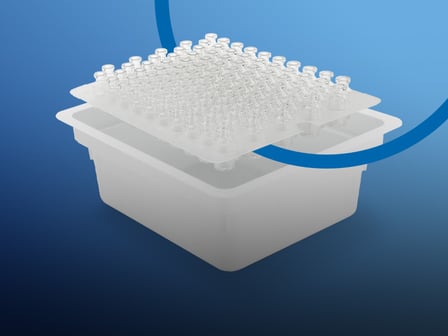
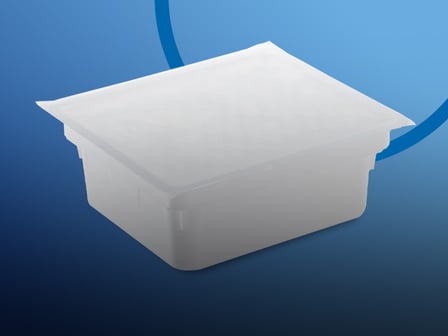
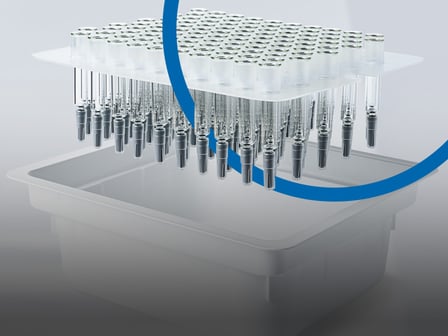
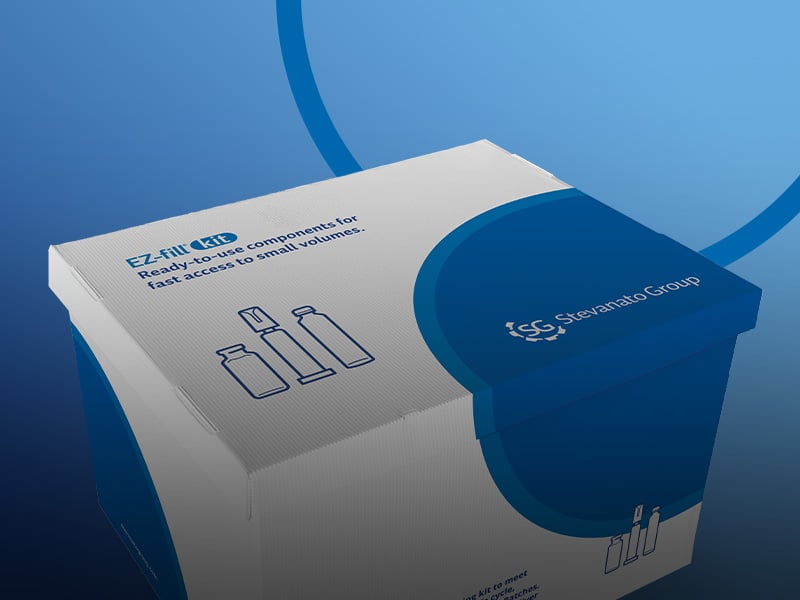
EZ-fill® Vials
A ready-to-use (RTU) platform designed to reduce complexity and increase quality in pharma fill and finish operations
Alba® glass syringes
A breakthrough RTU platform offering minimized subvisible particles and superior gliding performance
data
Data and results
Pre-fillable syringes have several components that compose the system, and deep cold storage is a big challenge to maintaining all the materials' integrity.
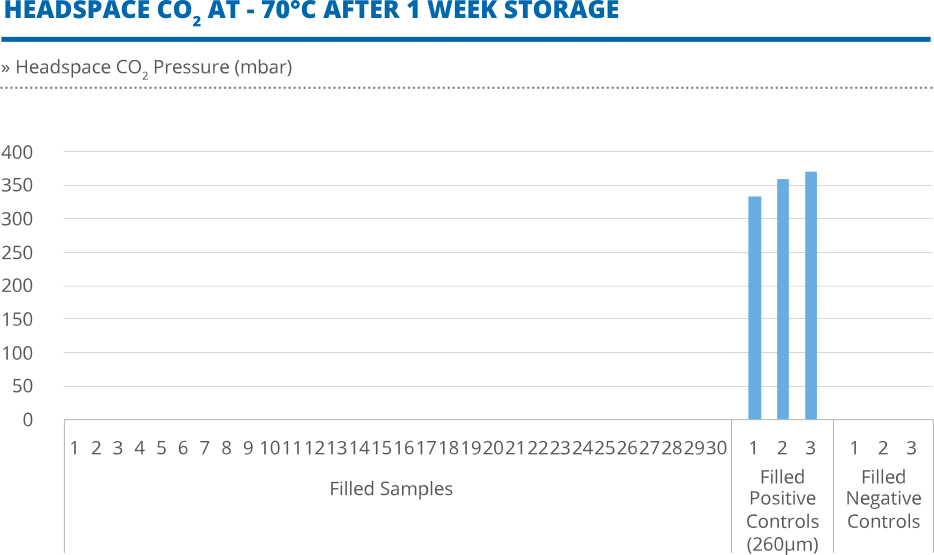
Chart: No CO2 was detected in all 30 ITC filled syringes tested through Carbon Dioxide headspace analysis, indicating that no defect allowing CO2 ingress occurred due to any material property changes at -70°C. The controls in both cases performed as expected, showing a substantial ingress of CO2 for the positive control, and no CO2 ingress for the negative controls.
We tested and confirmed no loss of CCI of EZ-fill® ITC syringes after 7 days of storage at -70°C. Tests executed through CO2 Headspace Analysis showed no relevant signals of carbon dioxide ingress after a 1-week freezing cycle whilst also verifying the plunger displacement phenomenon confirming the suitability of EZ-fill® ITC system for mRNA applications.
Low temperature can also affect the functionality of the overall system. Two of the most important parameters that describe the system's functionality are Break Loose and Gliding Force.
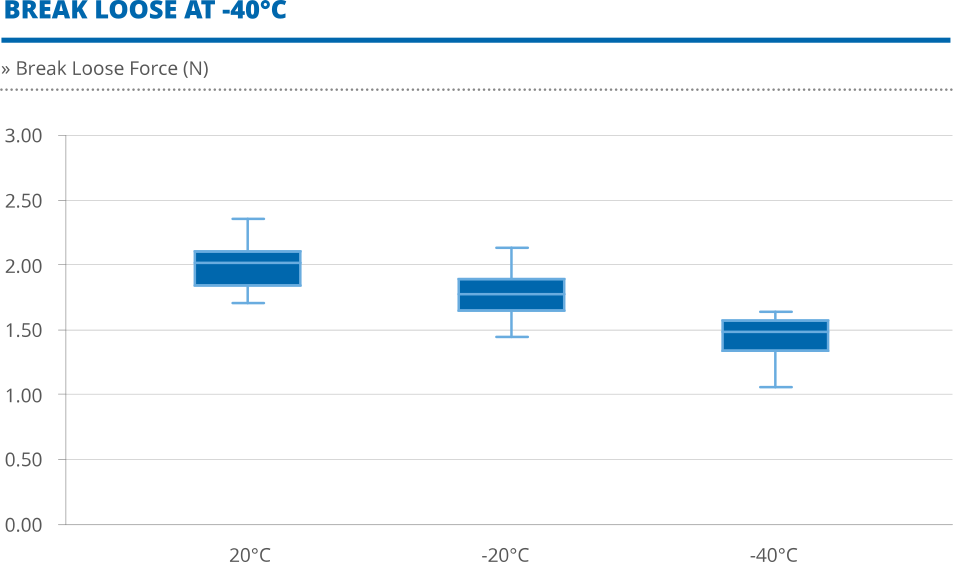
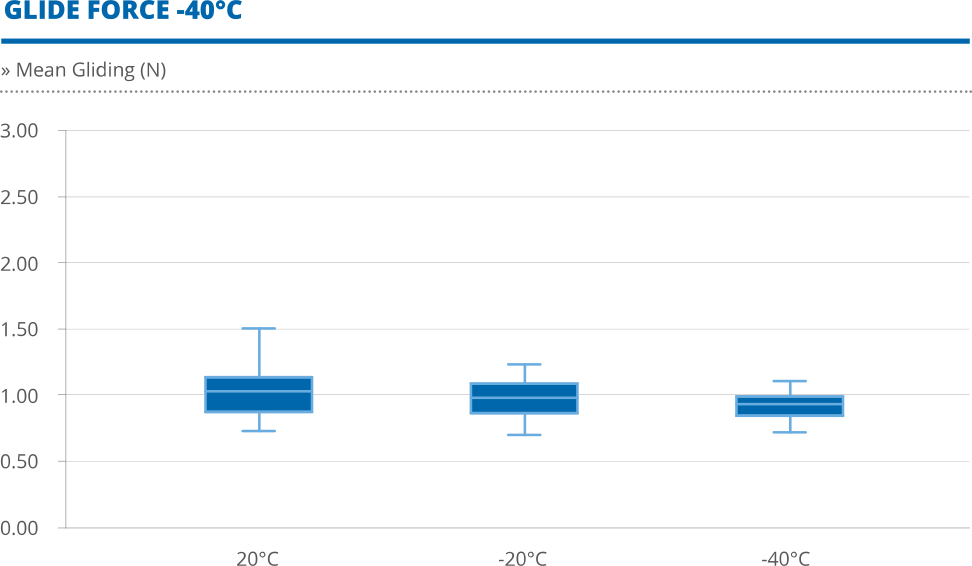
Charts: The test showed that freezing storage has no impact on break loose and gliding force, confirming no functional impact from Room Temperature to -40°C.
We tested - after 1-week storage at -40°C - filled ITC syringes and they showed excellent Break Loose and Gliding Force* performance with comparable results before and after freezing storage.
* ISO 11040-4:2015 as a standard reference
ITC unscrewing torque and opening force
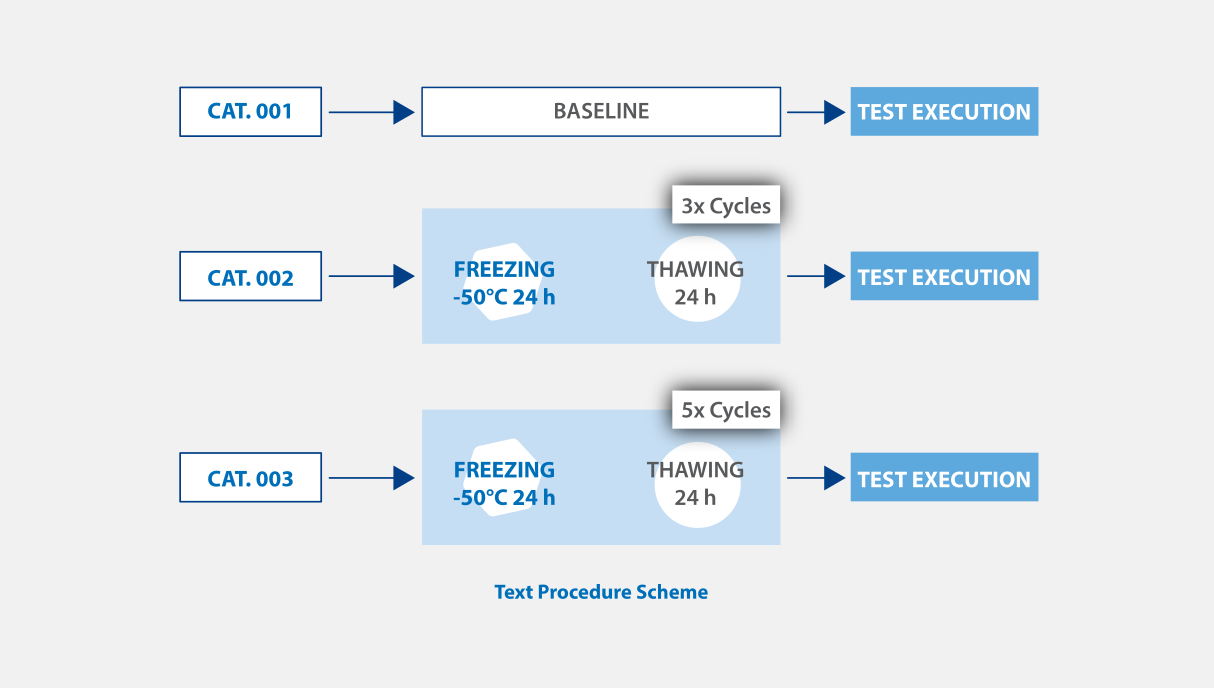
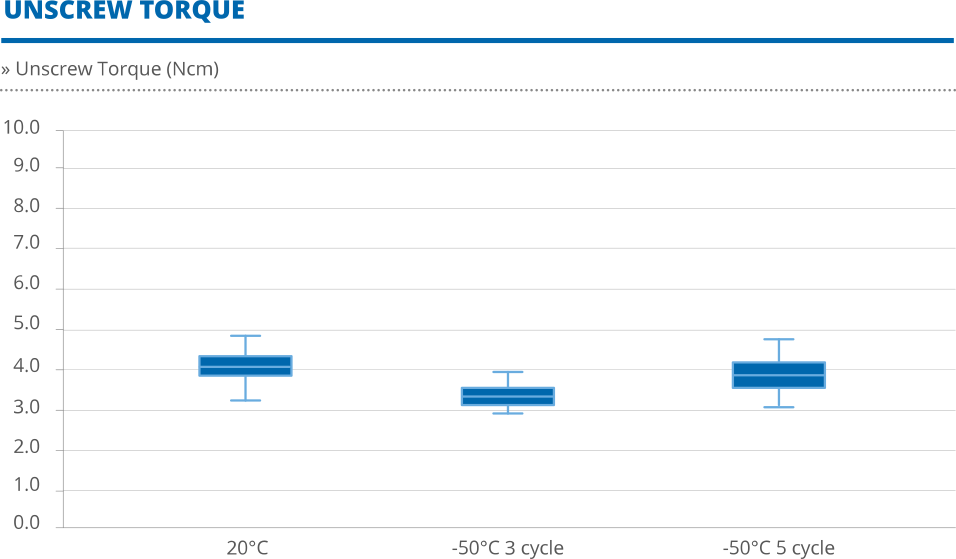
We tested the ITC closure unscrew* after 5 cycles at -50° storage with extraordinary results. The test showed no statistical difference in unscrewing torque (Tmax) between the sub-categories, confirming that ITC closure functionality is guaranteed after freezing condition, with no impact on usability for the final user.
Chart: No evidence of difference in unscrewing force for all the 50 ITC syringes tested for each category.
Deep cold storage may stress the glass barrel of a PFS system causing potential system failures.
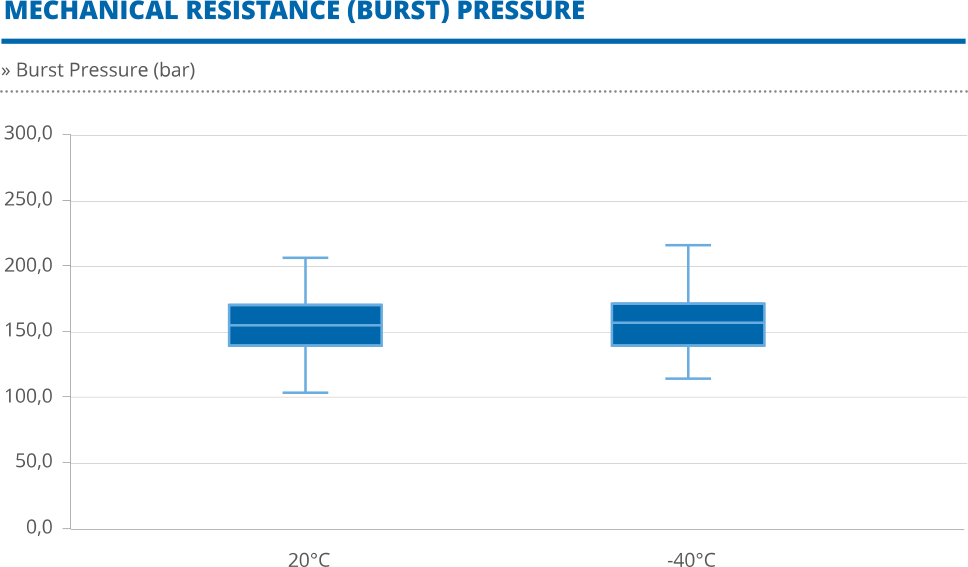
Chart: Results at Room Temperature and at -40°C are comparable, confirming that freezing did not affect glass resistance to breakage.
Regarding mechanical properties, Burst Test* performed on Stevanato Group ITC syringe did not show difference in glass barrel resistance between -40°C and room temperature storage conditions, confirming good mechanical performances.
* ISO 7458:2004 as standard reference.
Market Insight
Covid-19 and the subsequent rise of mRNA vaccines brought new types of therapies to the market that require storage at deep-cold temperatures down to -80 °C.
Risk
The stress on the glass at these low temperatures increases the chance of vial breakage. The risk of breakage is extremely important to pharmaceutical companies due to the high values of drug cointained.
Need
Increased assurance about the compatibility of glass containers with cold storage conditions is key for pharmaceutical companies.
Solution
In this increasingly complex application, EZ-fill® vials are a proven solution to make life easier for customers. Find out Fina® Vial’s optimal performances with deep-cold drug applications and complex cold-chain requirements for both Mechanical & Container Closure Integrity (CCI) performance
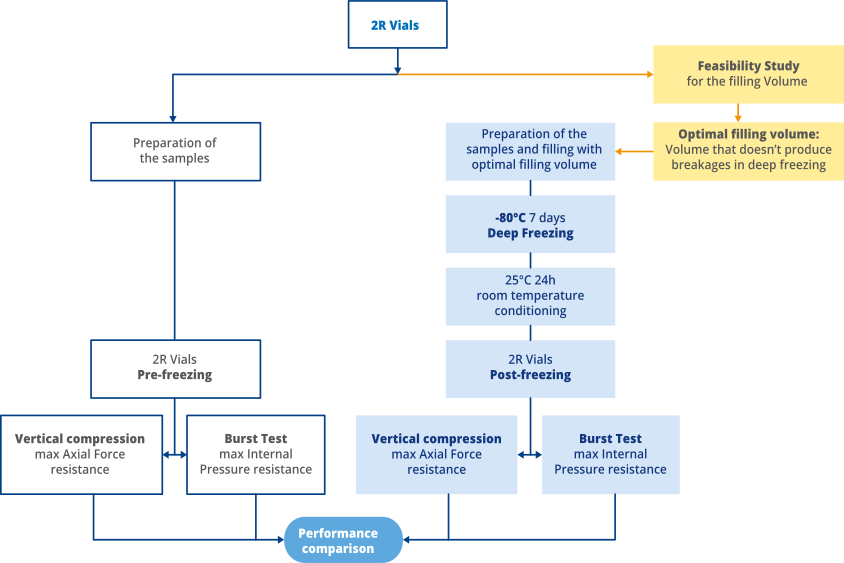
Ensuring mechanical resistance with Vertical Compression Test & Burst Test (CTQAs investigated in the study)
Objective
Identify and determine the impact (if any) on glass vials’ mechanical resistance to Axial Load and Internal Pressure of storage conditions of -80°C over a period of 7 days
Method
Vertical Compression and Burst test
Results
2R Fina® quality glass can withstand a conditioning at -80°C for a prolonged period of time without impacting its mechanical performance.
Ensuring Container Closure Integrity with Headspace Gas Analysis
Objective
Determine CCI during stability at 25°C/60% RH and -80°C at two different time points (T0 and T6 months) over a storage period of 6 months.
Method
Use of Headspace Gas Analysis technique, based on the measurement of the headspace carbon dioxide content in the samples after exposure to a carbon dioxide enriched environment at the target temperatures.
Results
No CO2 detected in all the samples. 2R Fina® vial geometry, in combination with different closure systems, can maintain CCI for a prolonged period of time under the testing conditions
The configurations tested showed no statistically significant difference before and after conditioning.
Mechanical Performances in Deep Freezing
media
White Paper: mRNA Therapies on the Rise
Primary Packaging Challenges and Testing Solutions