
A New Method to Characterize Silicone Coatings for Safer, Higher-Performance Drugs
Executive Summary
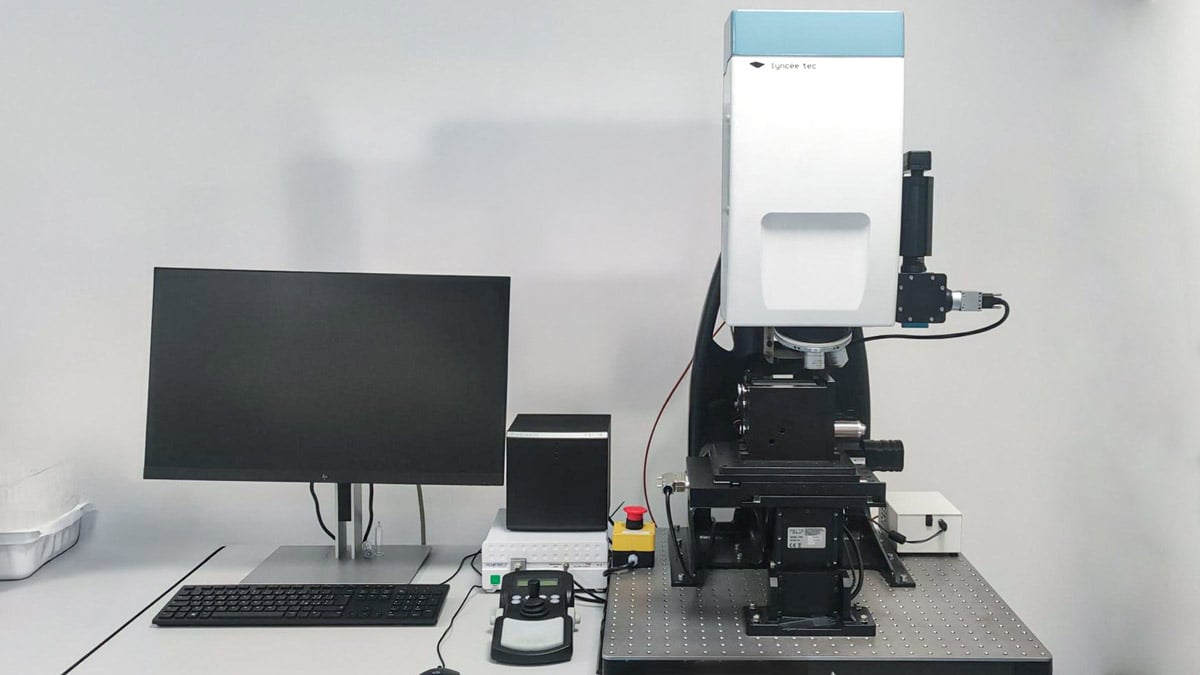
Pre-filled syringes (PFSs) are a preferred way to administer parenteral drugs like therapeutic proteins due to benefits like dosing accuracy, patient convenience, and reduced risk of contamination. However, they have the challenge of being both the drug storage container and the drug delivery device. To ensure proper functionality, the inner surface is often coated with silicone oil but this may degrade over time, especially in the presence of drug product. A new method to measure the coating is by using Digital Holographic Microscopy (DHM®), a patented technology by Lyncée Tec (Lausanne, Switzerland). Specialized 3D interferometers are used to characterize the entire inner surface area, allowing quantitative measurements of the quality of the deposition, such as coating volume and homogeneity of the distribution. To investigate its suitability for silicone-coated syringes, Stevanato Group’s EMEA TEC (Piombino Dese, Italy) compared its performance against traditional silicone weighing for 29 syringes.
Materials and Methodology
Glass syringes that have never been siliconized were provided by EMEA Technology Excellence Center (Piombino Dese, Italy) and separated into two groups for siliconization, where silicone oil would be sprayed inside each syringe. Group A was siliconized with a lower amount of silicone oil and treated with plasma to become cross-linked. Group B was siliconized with a higher amount of silicone oil with no additional treatment. The syringe weight was gravimetrically measured before and after siliconization. The same samples were then measured using DHM® to first determine the thickness of the silicone inside, from which theaverage thickness was used to calculate the total volume.
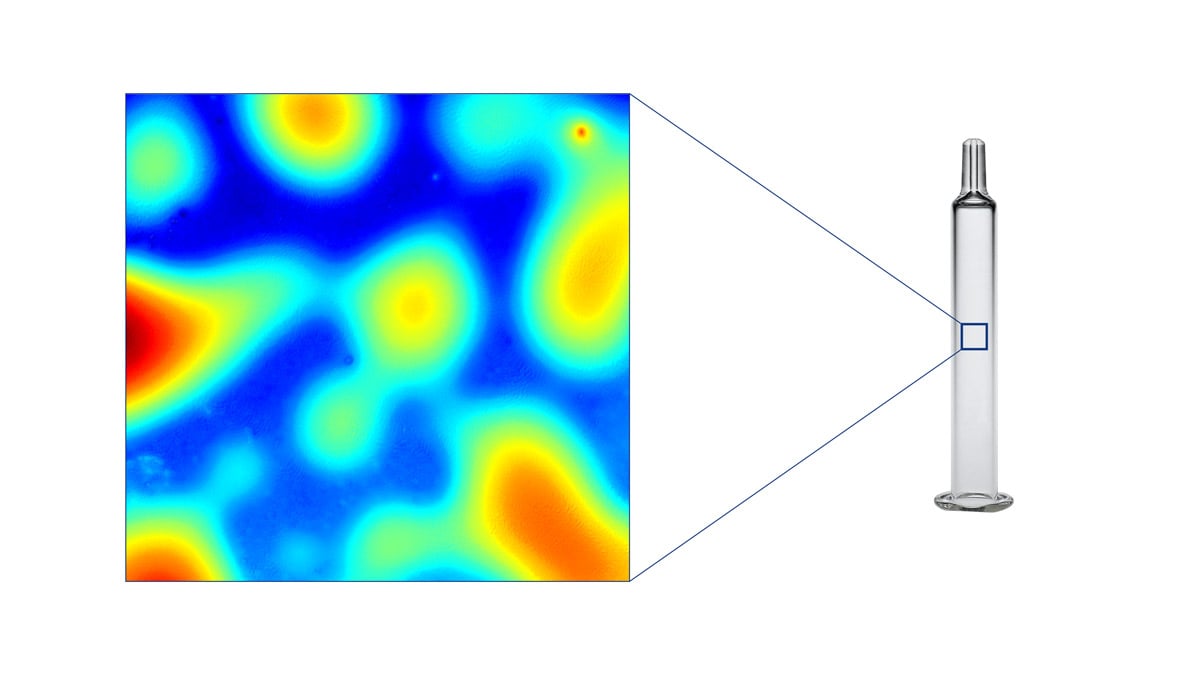
Figure 2: An example of visualization of the silicone thickness measured by the DHM® software
DHM® measures by recording the interference between a reference wave and the reflected light from the specimen in the form of holograms. The syringe’s entire internal surface area is measured using a 4-axis stage (XYZθ) controlled by software to synchronize the hologram recording with the rotation and movement along the length of the syringe. Through digital processing, a numerical map of the silicone thickness inside the syringe is created with interferometric resolution: a thickness value can be determined for each pixel in the images collected. For this study, the average thickness value was then recorded for each syringe.
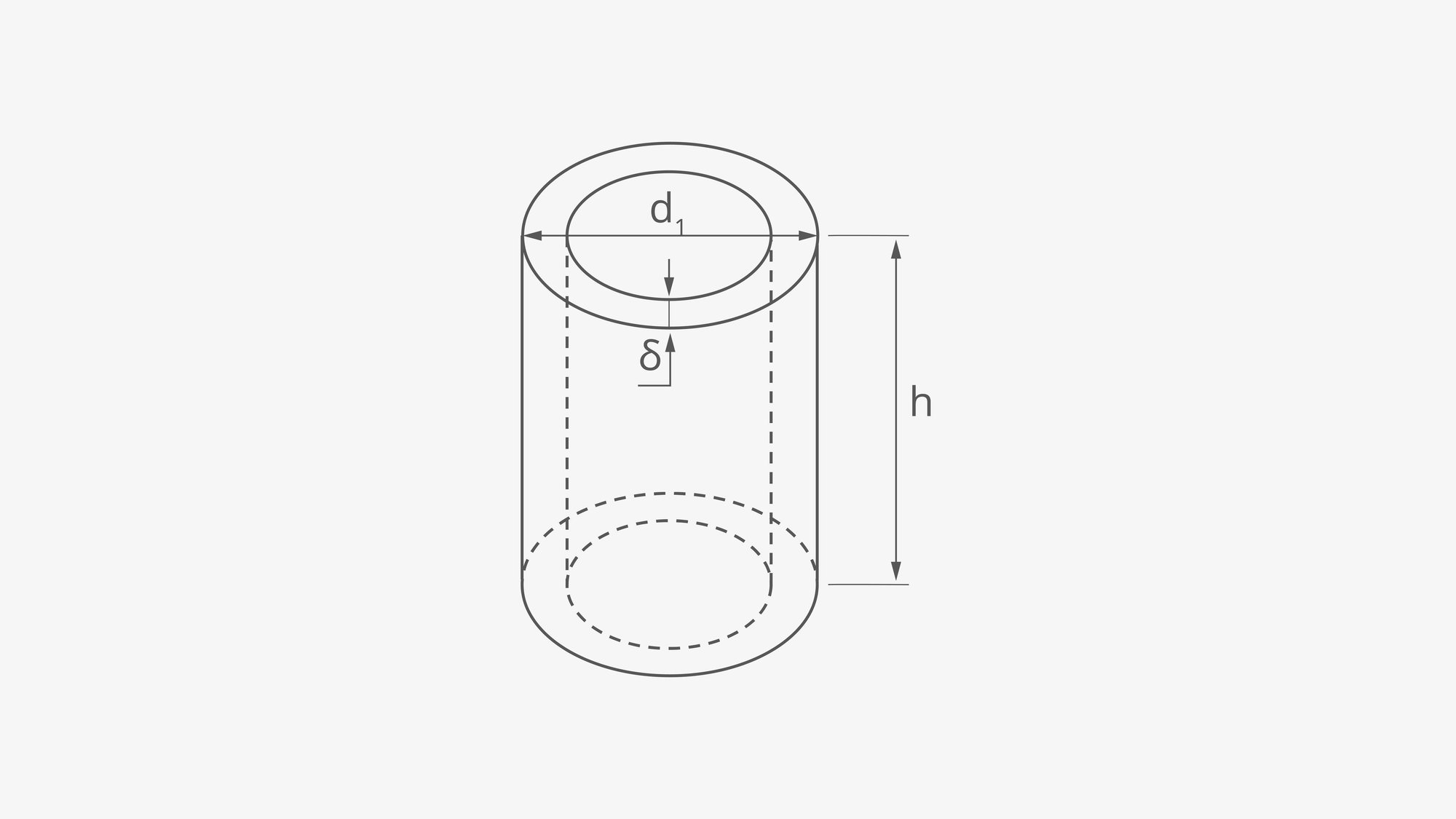
To determine the volume of silicone oil inside the syringe, the average thickness was calculated and then used with the following formula:
V = d1 − 2δ δ δ2 h
Results and Conclusion
The measured silicone volumes are summarized in Figure 4. Overall, the measurement range for both methods clearly overlap one another, confirming that they are not statistically different.
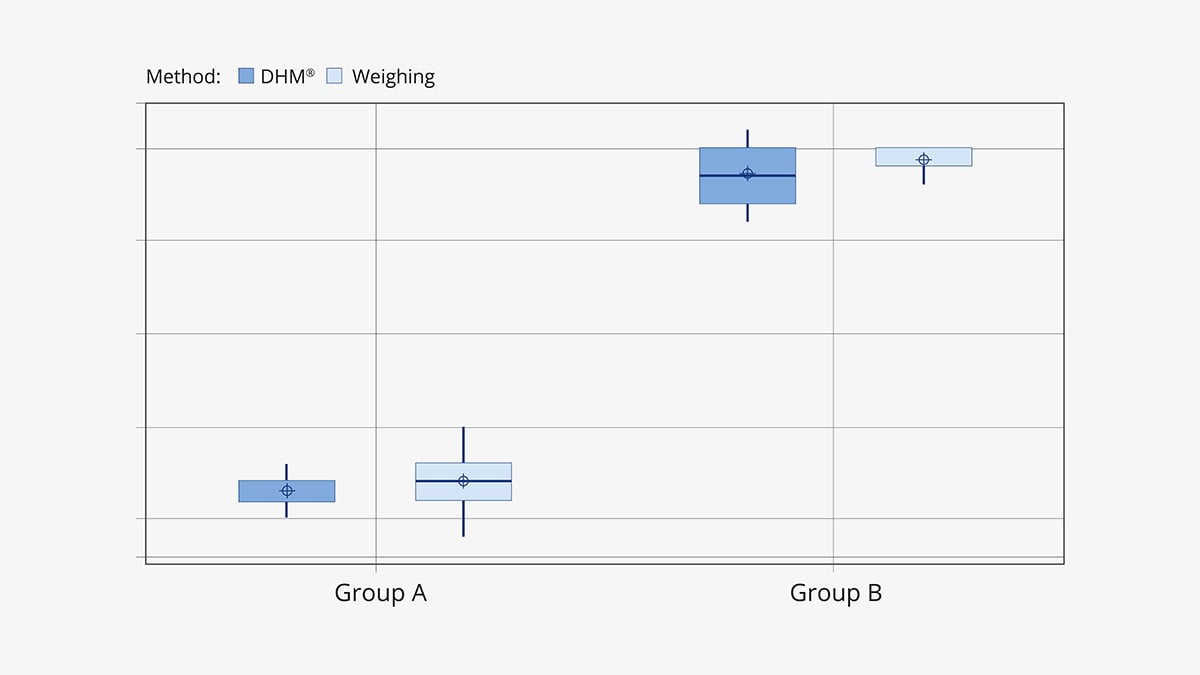
Figure 4: Measured silicone volume per group based on method
The difference in silicone volume between the two methods for each sample volume was then calculated and expressed as a percentage of the weighed samples as shown in Figure 5. In general, the DHM® shows lower values than the weighed samples but this is expected because the DHM® measures the silicone oil on the inner cylindrical portion of the syringe. Any silicone oil located in the syringe shoulder by the needle would be included in the weight but it would not be accounted for in the DHM® measurement. When predicting the silicone coating’s impact on the plunger glide or extrusion force, the DHM® is then the more precise option as it measures directly the surface to be in contact with the plunger.
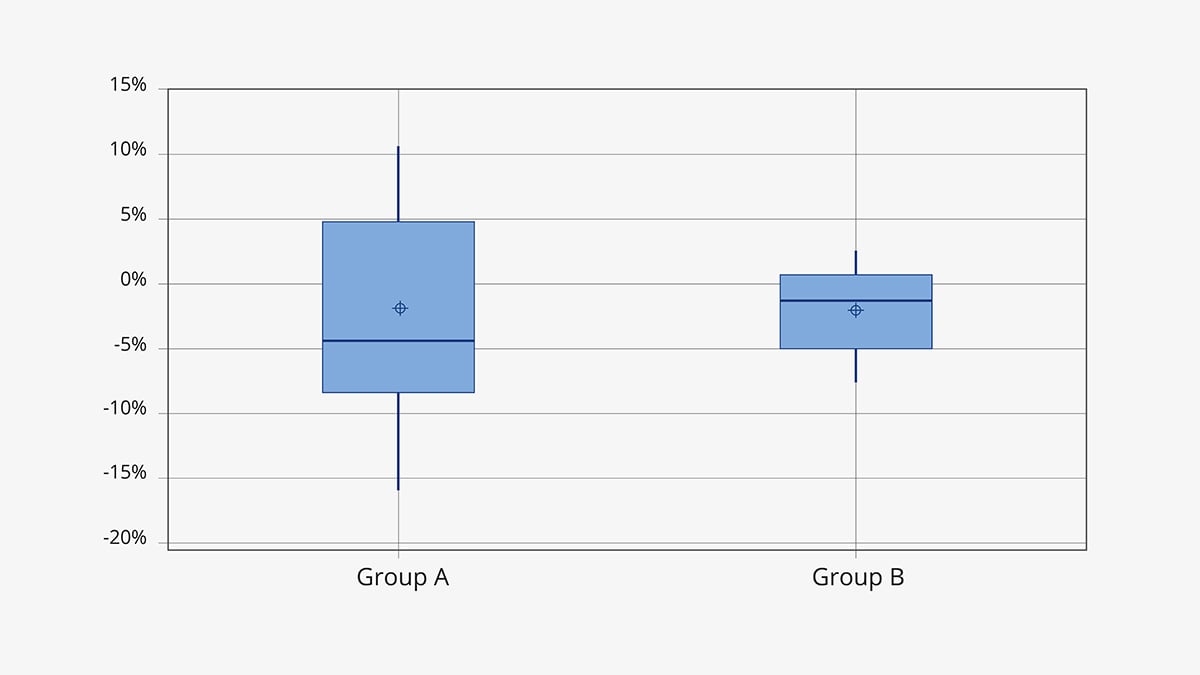
Figure 5: Percent difference in measured volume relative to measured weight
With the way the DHM® measures samples and digitally reconstructs the inner surface, even more precise and sophisticated analysis of the silicone layer can be performed in the future. For example, DHM® can also analyze silicone distribution or homogeneity, which can impact the overall performance and shelf-life of syringes, cartridges, and their drug delivery devices. EMEA TEC will continue investigating and comparing ways to characterize syringe coatings to best support the development of safer and higher-performing drug products.
Author: Martina Brosadola, Senior Analyst, Technology Excellence Center, Advanced Technologies, Stevanato Group

Stevanato Group
Stevanato Group is a leading global provider of drug containment, drug delivery, and diagnostic solutions to the pharmaceutical, biotechnology, and life sciences industries. The Group delivers an integrated, end-to-end portfolio of products, processes, and services that address customer needs across the entire drug life cycle at each of the development, clinical, and commercial stages.