
Markets
Integrated Solutions for Monoclonal Antibodies (mAbs)
Stevanato Group ensures stability for sensitive drugs
The biologics market is projected to grow at a double-digit compound annual growth rate of 15% until 2027[1], driven by the increasing adoption of advanced therapies such as monoclonal antibodies. As mAbs and other biologics become more complex, pharmaceutical companies need solutions that help protect drug stability, support reliable delivery, and reduce development risks.
Stevanato Group supports mAbs therapies with integrated solutions across the pharma value chain, combining:
- Drug containment solutions to help preserve sensitive biologic formulations
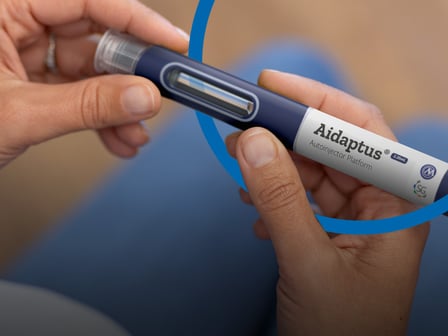
- Drug delivery devices to support reliable administration and patient adherence
- Analytical services to evaluate drug-container-device compatibility, stability, and performance
- Manufacturing equipment to support efficient production and scale-up
- Inspection technologies to help ensure product quality and integrity
Together, these capabilities help pharmaceutical companies address the specific challenges of monoclonal antibodies, from early development to commercial manufacturing.
[1] Source: IQVIA and Stevanato Group internal analysis
challenges
mAbs drug features and key challenges
Monoclonal antibody formulations can be highly sensitive and, in some cases, highly concentrated. This makes them more exposed to potential drug-container interactions and requires careful evaluation of both primary packaging performance and delivery device functionality.
Key challenges include:
-
Stability, potency, and safety of drugs over time
-

Right first time development
-

Reliable delivery systems to improve therapy adherence
-

Higher concentration and injection volume
offering
Discover Stevanato Group solutions designed to support monoclonal antibodies and other sensitive biologics, from ready-to-use containment systems to analytical testing and advanced delivery technologies.
solutions
Our solutions
Analytical and Testing Services
Technology Excellence Centers bring solutions to life, backed by science
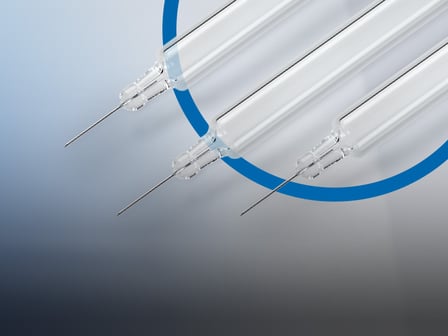
EZ-fill® Alba® Syringes
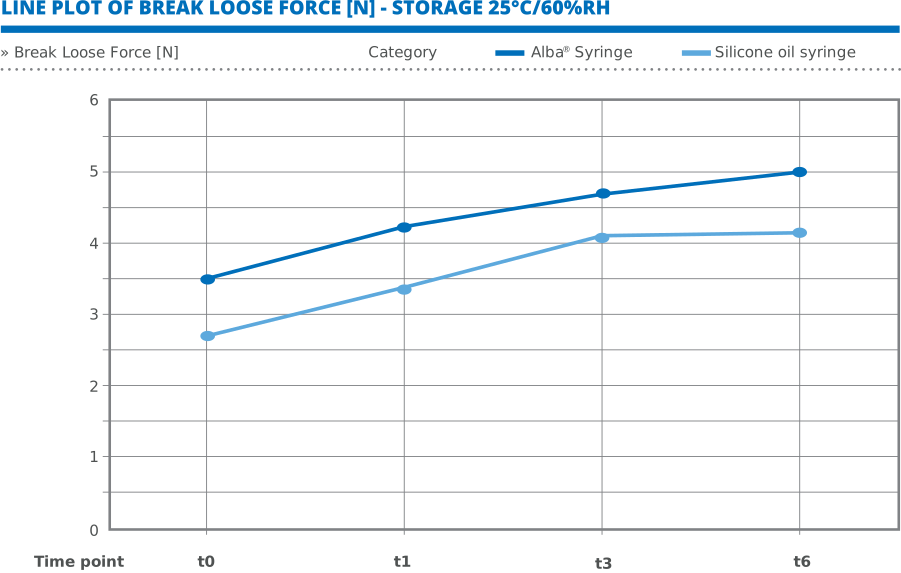
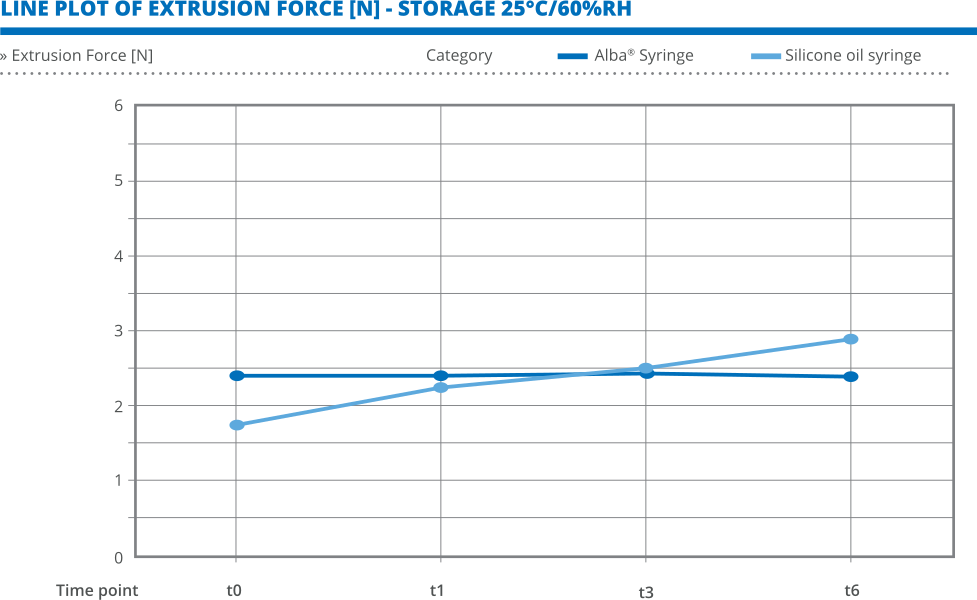
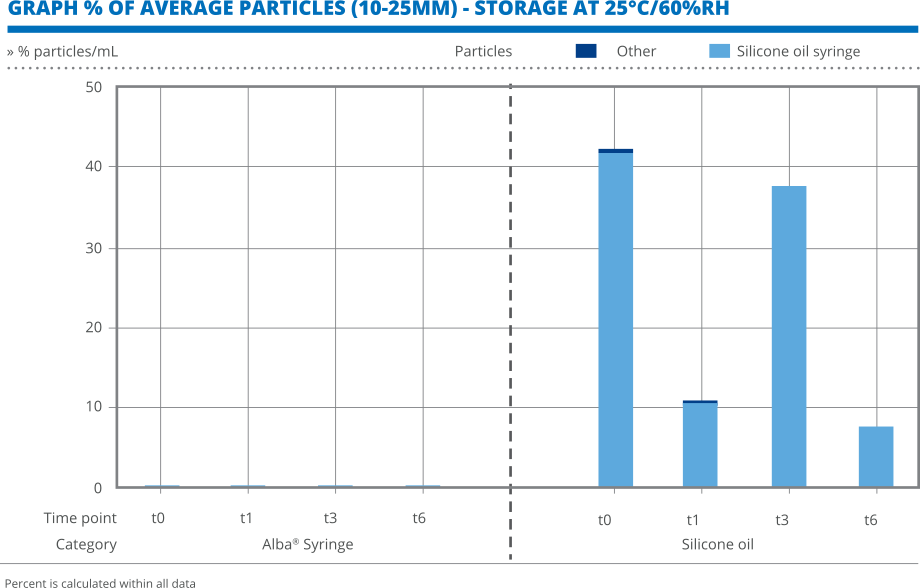
Breakthrough platform offering minimized subvisible particles and superior gliding performance throughout shelf life
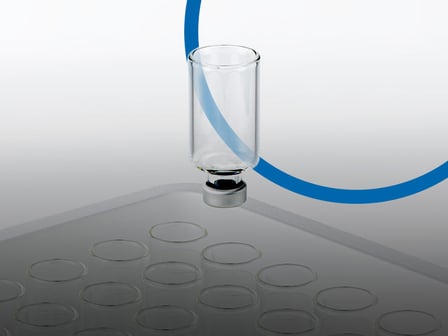
EZ-fill® Vials
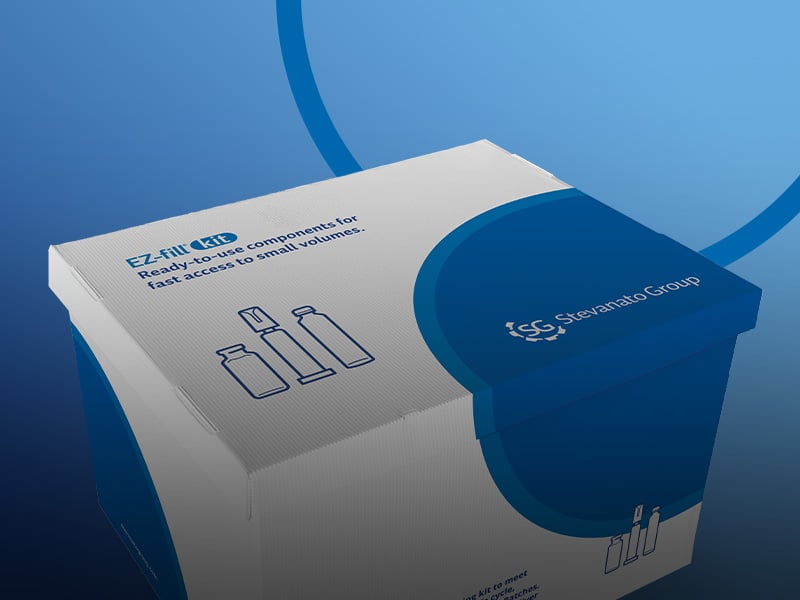
A ready-to-use (RTU) platform designed to reduce complexity and increase quality in pharma fill and finish operations
EZ-fill® Nexa® Cartridges
Designed for optimizing the fill and finish process and the performance with drug delivery systems
Vertiva®
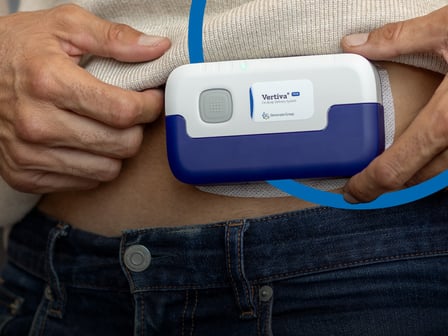
On-body delivery system consisting of a single-use, pre-loaded Pod and a reusable therapy Controller
data
Data and results
Trend and insights
The biologics market is growing enormously. Due to the low stability of biologics, 24% of biologic drugs newly approved by the FDA between 2017 and 2021 are lyophilized.
Challenge
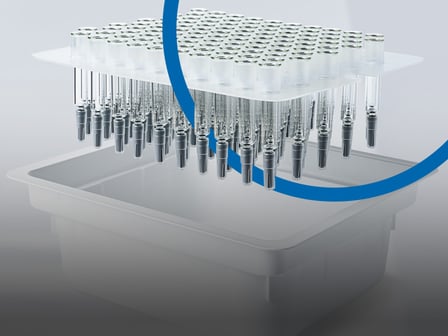
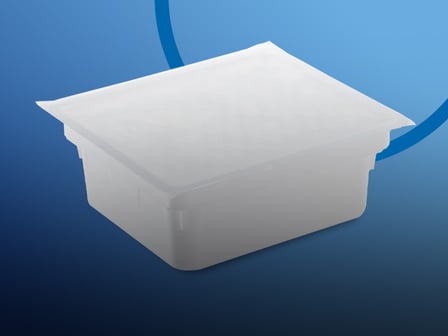
EZ-fill® nested vials are in a suspension frame “nest”, contrary to conventional loading where the vials are in direct contact with the freeze-dryer shelf. The suspended configuration avoids glass-to-glass contact during the filling phase and reduces mechanical stress which could lead to vial breakage but it may raise doubts about the heat transfer mechanism from the shelf to the vials.
Solution
Stevanato Group, in collaboration with the Politecnico di Torino University (POLITO), has conducted a series of tests on freeze-drying pharmaceuticals in nested vials demonstrating that EZ-fill® Vials are high-value solutions for lyo products.
The overall study results, performed on a 3ml ISO vial, not only confirmed the usability of nested vials for lyophilization but, above all, demonstrated their potential as a high-value solution for freeze-dried pharmaceutical products.
Comparison of vials in bulk and EZ-fill® configuration throughout a lyophilization process
Objective
Verify thermal properties of the nest during and after freeze-drying process, focusing on the impact on time of freeze-drying cycle and on intra-batch variability
Results
EZ-Fill® Nest & Tub configuration, in comparison to Bulk configuration:
- Simplify lyophilization industrial cycle scale-up with no impact on cycle time
- Reduce intra-batch variability, improving the overall quality of the lyophilized cake
Conclusions
- The temperature difference between the vials and the NEST is very limited = limited impediment of the nest to the heat transfer.
- Chamber pressure has less impact on the Kv (heat transfer coefficient) in vials in NEST, compared to the SHELF configuration