Caricamento pagina
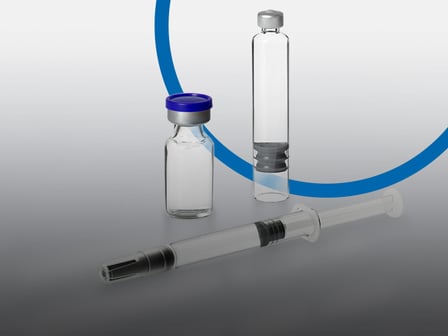
hero_traceability_MB

Industry needs and solutions

Glass Primary Container Traceability: a Unique Identity for Each Containment Solution

Today, there is no individual identification of primary glass containers for parenteral use. If a problem is identified during a process step, manufacturers are unable to define exactly which products may have been impacted. As a result, they adopt either an “over segregation” or “full batch write-off" policy. This can have significant financial impact from lost or missed revenue and lead to drug shortages in the market.

A survey published by PDA[1] indicated that 68% of respondents had considered using marked containers. The potential use-cases ranged from mix-up avoidance of filled containers to reject tracking in automated inspection processes.

[1] 2019 PDA traceability of primary packaging survey – published January 2020.

Stevanato Group offers the option of developing uniquely coded containers, as part of its drug containment solutions, improving production efficiency and quality by providing insight into each process. This data could help drive more detailed root cause analysis, corrective actions, and adjustments to product design and process optimization, addressing key industry needs and solutions across pharmaceutical manufacturing.

glass_primary_container_traceability_group

How primary container traceability works

The glass container traceability solution marks each primary container with a unique identity. This machine readable 2D barcode allows each container to be tracked at every manufacturing process - from forming through to filing and automated inspection. Manufacturing data at each step delivers significant process and quality benefits for both the glass container producer and pharma companies.

Stevanato Group traceability can be applied across different glass primary packaging formats and manufacturing configurations.

Key features include:

318_Track_trace

Applicable to all glass containers: syringes, cartridges and vials

81_Optimized Process

It could be delivered through existing glass manufacturing operations ensuring no impact on the integrity of the glass or integrity of the container

50_Nesting & Tubbing

Applicable to either bulk or sterilized Ready-to-Use (RTU) containers

52_Sterilization

Compatible with traditional pharmaceutical sterilization operations

61_Serialization

High-speed processing and readability using existing off-the-shelf equipment and readers

54_Filling_Syringe_ok

Minimal impact on existing fill and finish operations

25_Regulatory Expertise

Follows all regulatory compliance mandates and relevant product/process standards

217A_Data management

Providing interoperability with existing serialization investments to ensure the seamless integration and transfer of data

glass_container_traceability_group_view

The benefits of having a primary container serialization

The individual identification of primary containers in filling, inspection, and packaging operations has been validated across the industry.

  1. Prevent mix-ups and quality issues in time with container segregation
  2. Avoid batch mix-up before labeling
  3. Reject cause tracking
  4. Reduce risk of counterfeiting and tampering
Traceability_containers_CTA_MB

Explore Traceability media and resources

First industry discussion paper on primary container traceability published by ISPE
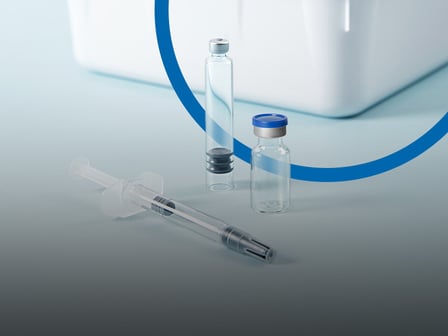
Other industry needs and solutions

preview_ez-fill

EZ-fill® Platforms

preview_alba_nexa_fina

Alba®, Nexa®, Fina® Platforms

preview_sustainability_in_product_design

Sustainability in Product Design and Manufacturing

preview_traceability

Interested in Glass Primary Container Traceability?

Submit your request